INDOOR AIR QUALITY TESTING

What’s in your air?
Indoor air can be 2–5x more polluted than outdoor air
You spend 90% of your life indoors
You breathe over 30 lbs of air each day
Self-Guided Courses
Simple, practical guides to reduce everyday exposure to toxins and create a healthier home.
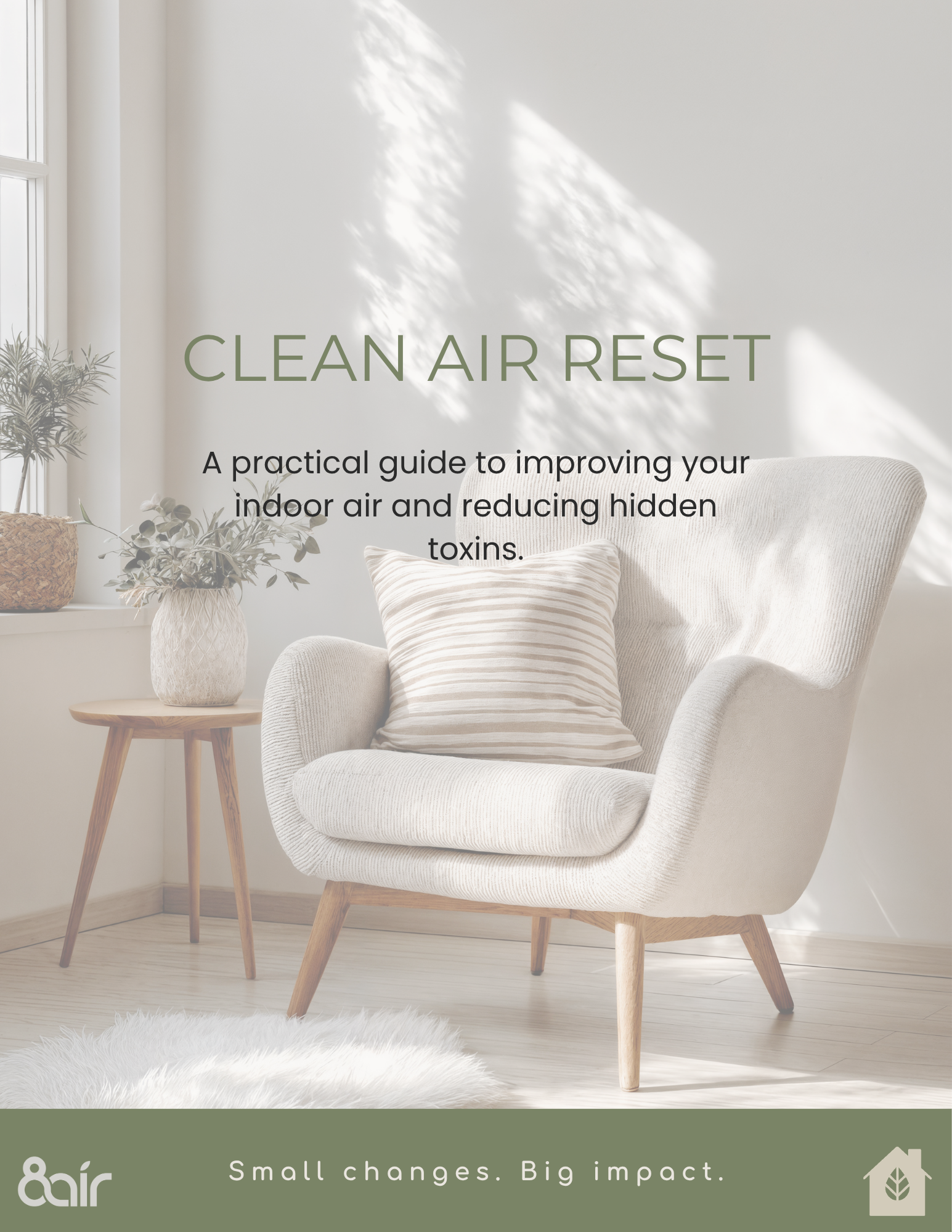
A practical, step-by-step guide to improving your indoor air quality at home.
This self-paced course walks you through a simple 6-step action plan to identify hidden pollutants and take meaningful steps to reduce exposure.
Includes easy checklists and realistic strategies to help you create a cleaner, healthier home—without overwhelm.
Download your PDF instantly after checkout and start breathing better today.
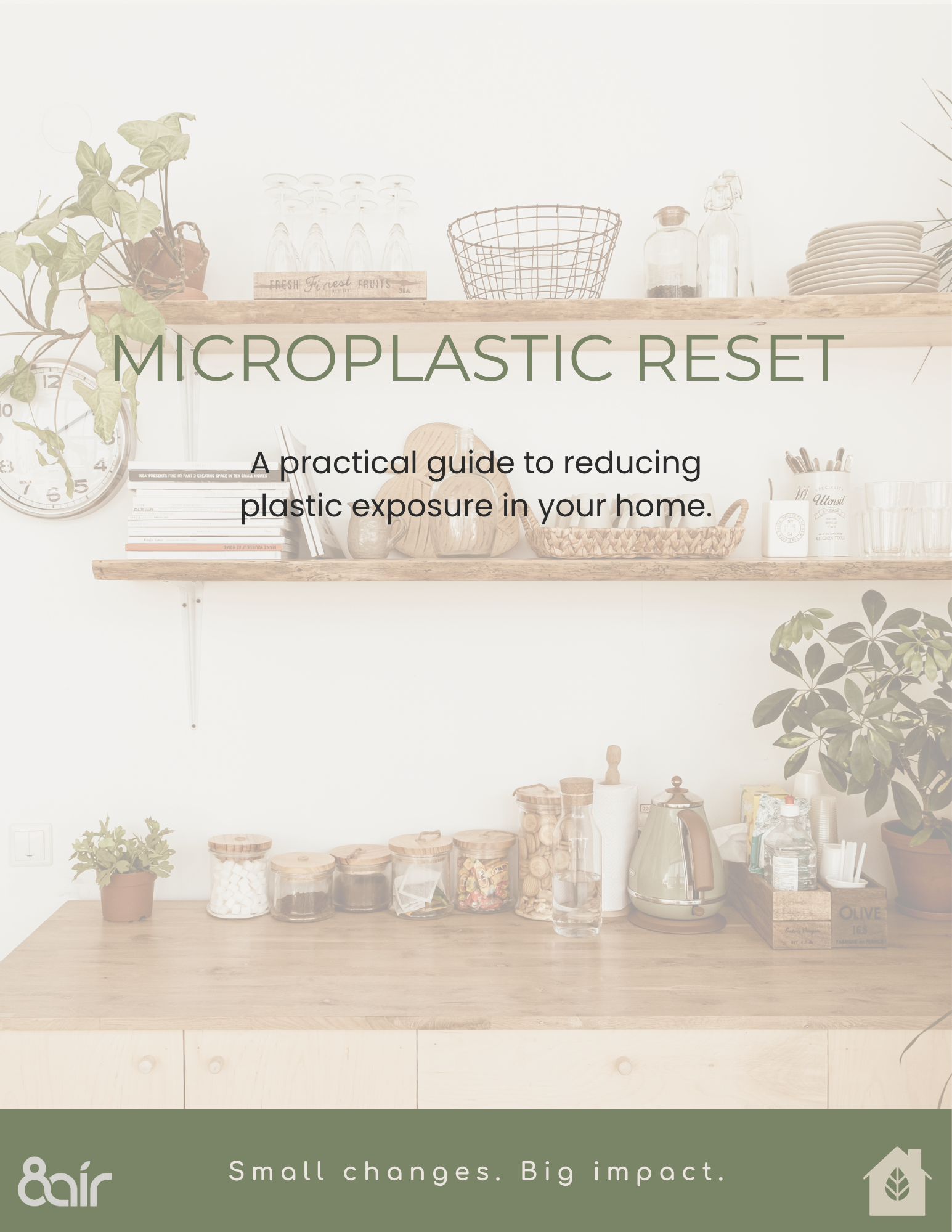
A practical, step-by-step guide to reducing microplastic exposure in your home.
This self-paced course walks you through a simple 7-step action plan to identify hidden sources and make safer, smarter swaps.
Includes easy checklists and realistic strategies to help you reduce plastics without overwhelm.
Download your PDF instantly after checkout and start creating a healthier home today.
Personalized Indoor Air Quality Assessment
Fill out this form to receive a personalized estimate for a comprehensive, in-home indoor air quality assessment. A professional will handle the testing and evaluation for you, taking the guesswork out of understanding your home's indoor air quality.
Serving Western New York.
Starting at $1,500 for a whole home assessment.
-
Invisible spores in the air can trigger allergies, respiratory irritation, and asthma symptoms — even when no visible mold is present.
-
Commonly found in everyday household products, VOCs can contribute to headaches, irritation, respiratory problems, and long-term health concerns — often without noticeable odors.
-
A naturally occurring, invisible gas that can enter homes through the foundation and is linked to lung cancer risk with long-term exposure.
-
Commonly found in adhesives, pressed-wood products, and some flooring materials, formaldehyde can cause irritation of the eyes, nose, and throat, may trigger asthma, and it is classified as a carcinogen associated with long-term health risks.
-
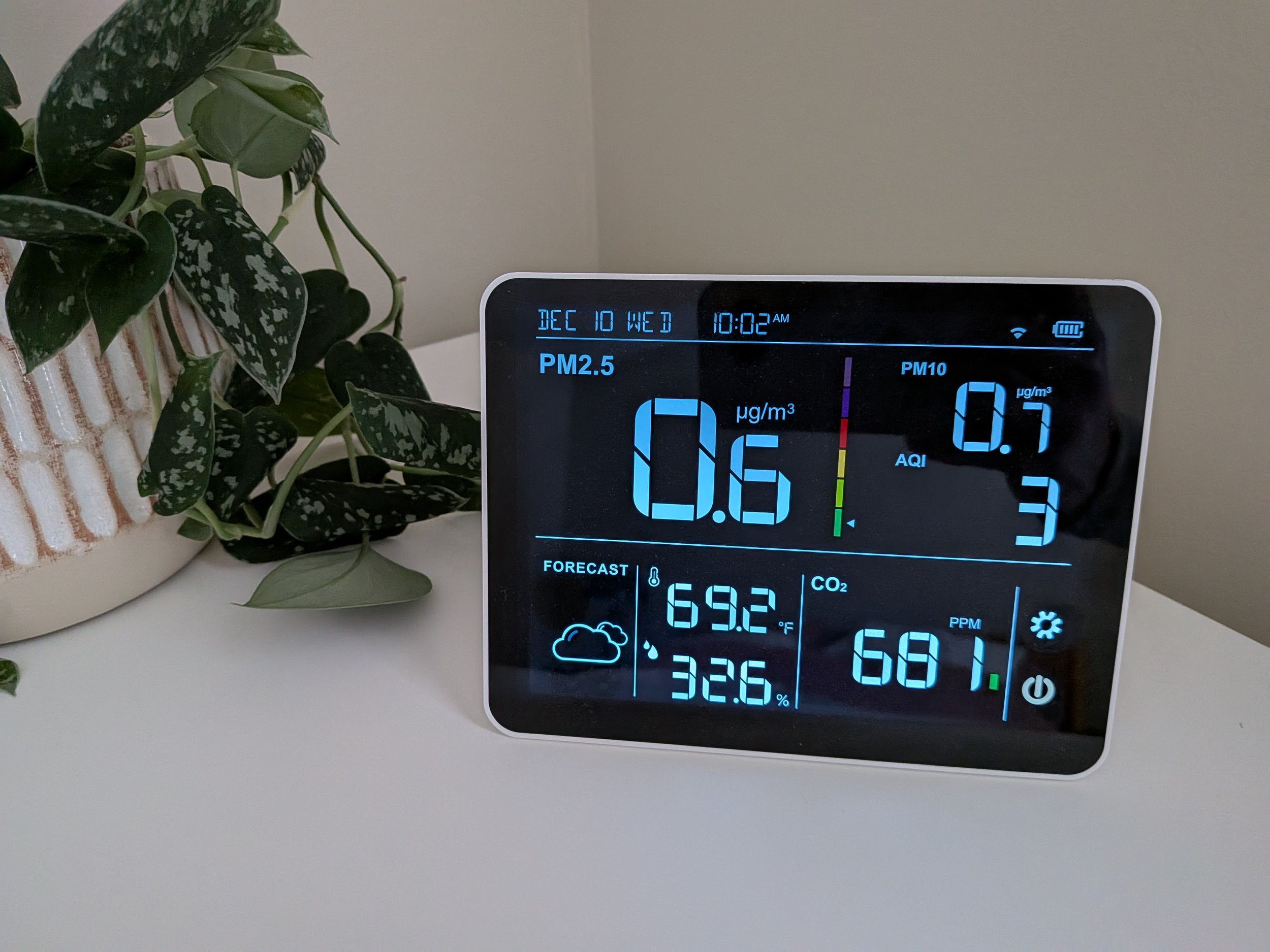
Tiny, invisible particles from smoke, dust, aerosols and pollution that can reach deep into your lungs, affecting respiratory and cardiovascular health.
-
A colorless, odorless gas from stoves, fireplaces and appliances that can build up indoors and reduce oxygen in the body, leading to dizziness, headaches, or more serious health risks.
-
High levels of CO₂ indicate poor ventilation and can cause fatigue, headaches, dizziness, and reduced concentration.
-
High or low humidity can trigger allergies, promote mold, and make indoor spaces uncomfortable.